Caring for Olive Trees in Southern Spain
By Elena Rodriguez | October 26, 2023
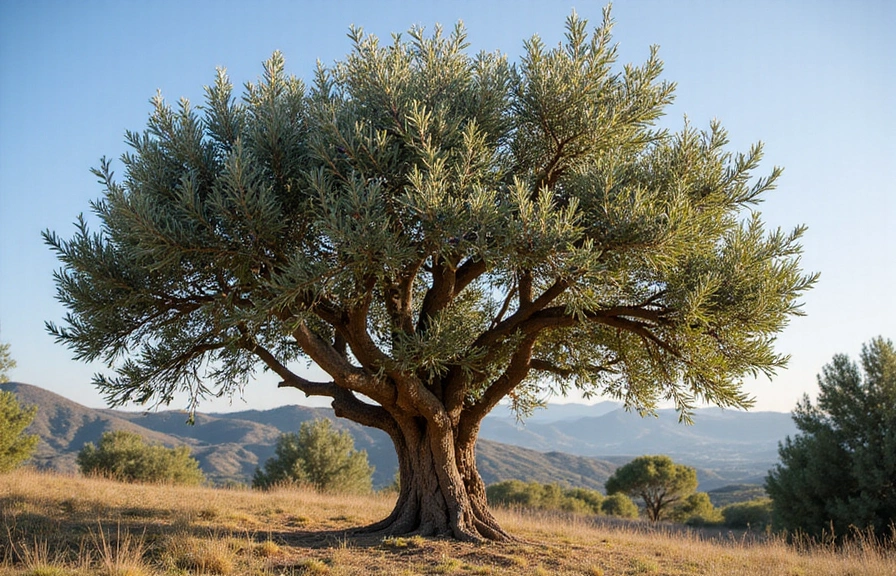
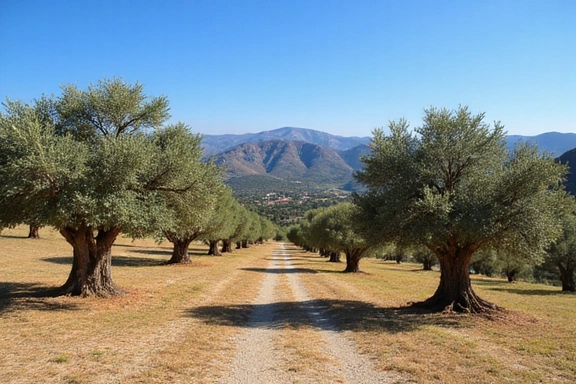
Olive trees (Olea europaea) are more than just a source of delicious oil and olives; they are a timeless emblem of the Mediterranean. Their resilience and beauty make them a cherished addition to any Spanish garden. However, to ensure they thrive and produce bountiful harvests, understanding their specific needs in Southern Spain's unique climate is essential.
Key Considerations for Olive Tree Health
Olive trees are remarkably hardy, but a few fundamental elements dictate their success:
Sunlight Requirements
Olive trees are sun-worshippers. They require at least 6-8 hours of direct sunlight daily to flourish and produce fruit. In Southern Spain, this is rarely an issue, but ensure your chosen planting site is not heavily shaded by buildings or other large trees.
Soil Preferences
Well-draining soil is paramount for olive trees. They tolerate a wide range of soil types, including poor and rocky soils, but cannot stand waterlogging. If your soil is heavy clay, consider amending it with organic matter and sand to improve drainage, or plant on a slight mound. A slightly alkaline pH (6.5-8.0) is ideal.
Watering Regimen
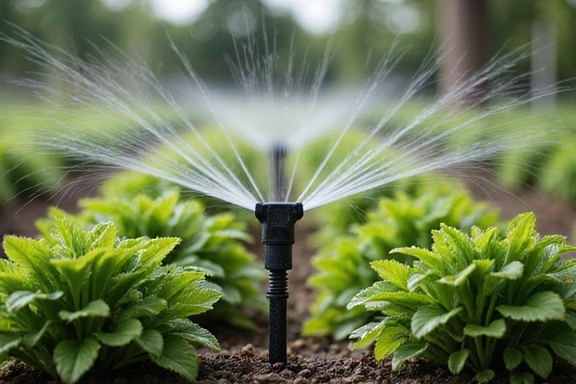
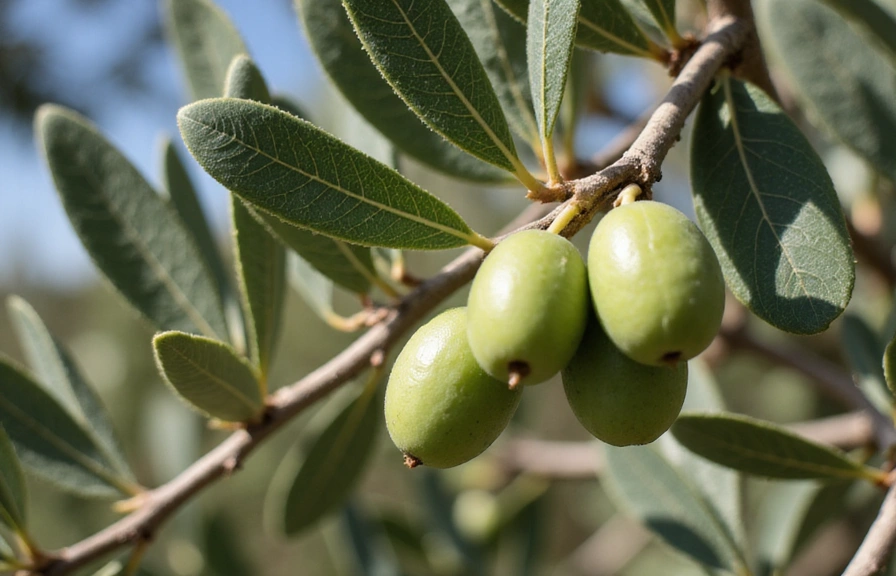
While drought-tolerant once established, young olive trees need regular watering to develop a strong root system. During their first 2-3 years, water deeply 1-2 times a week, especially during dry periods. Mature trees are more self-sufficient but will benefit from deep watering during prolonged dry spells, particularly when fruits are developing. Overwatering is a common mistake and can lead to root rot.
Pruning Techniques for Optimal Growth and Yield
Pruning is crucial for olive trees, promoting air circulation, light penetration, and fruit production. It also helps maintain the tree's shape and manage its size.
When to Prune
The best time to prune olive trees is typically in late winter or early spring, after the risk of severe frost has passed but before new growth begins. For ornamental trees, light pruning can be done at any time to maintain shape.
How to Prune
- Remove suckers: Cut off any shoots growing from the base of the trunk.
- Eliminate dead or diseased branches: This prevents the spread of disease and encourages healthy growth.
- Thin out the canopy: Remove inward-growing branches and those that cross or rub against each other to improve air circulation and light penetration. This is vital for fruit production.
- Shape the tree: For fruit-bearing trees, aim for an open, goblet shape. For ornamental trees, you can maintain a more compact or artistic form.
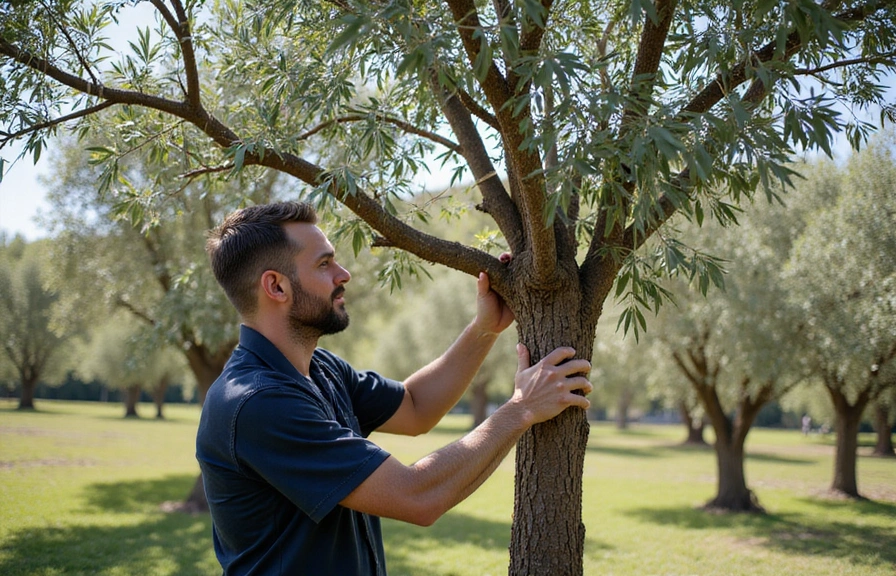
By following these guidelines, your olive trees will not only contribute to the aesthetic beauty of your Spanish garden but also reward you with a generous harvest of olives, bringing a taste of the Mediterranean to your home.